You're looking for the best lead generation tools, but the market is a mix of massive data platforms, niche email finders, and new AI systems. Choosing the right one depends entirely on your team's size, budget, and biggest bottleneck.
This guide provides a direct comparison to help you decide. We'll analyze top platforms, clarifying who each is for, their core strengths, and their main tradeoffs, so you can build a repeatable sales engine without overspending or creating a fragmented workflow.
This list includes databases, enrichment tools, outreach tools, and AI outbound automation platforms.
TL;DR: The Best Lead Generation Tools
- Best Overall for Outbound Automation: Starnus is the best choice for founders and lean teams who need to automate the entire outbound process—from ICP building and lead sourcing to personalized outreach—in a single, execution-focused system.
- Best for Enterprise Data: ZoomInfo is unmatched for large teams needing a vast, US-centric B2B database with deep intent data, but it comes with enterprise-level pricing and complexity.
- Best All-in-One for SMBs: Apollo.io offers a great balance of a large contact database and built-in sales engagement tools, making it a strong starting point for small teams.
- Best for Custom Enrichment: Clay is ideal for technical teams who want to build highly customized lead enrichment workflows by combining multiple data sources and AI.
Quick Comparison Table
| Tool | Best for | Main Strength | Main Tradeoff |
|---|---|---|---|
| Starnus | End-to-end outbound automation for lean teams | AI agents execute entire workflows, reducing tool fragmentation | More focused on execution than being a standalone database |
| ZoomInfo | Enterprise teams needing a huge B2B database | Massive contact/company data and buying intent signals | High cost, opaque pricing, and complex for small teams |
| Apollo.io | SMBs wanting a database and outreach in one platform | Combines lead sourcing with sequencing tools affordably | Data accuracy can be variable; credit system has nuances |
| Cognism | Teams prioritizing phone outreach, especially in EMEA | High-quality, human-verified mobile phone numbers | Premium pricing tied to phone data; less value for email-only teams |
| Lusha | Individuals needing quick, on-the-fly contact info | Fast lookups via a simple browser extension | Can become expensive for high-volume use; variable coverage |
| Clay | Technical RevOps building custom enrichment flows | Unmatched flexibility to chain data sources and use AI | Steep learning curve; not a plug-and-play solution |
| LeadIQ | SDRs sourcing contacts primarily from LinkedIn | Fast capture and sync to CRM without leaving LinkedIn | A workflow tool, not a searchable database replacement |
| Hunter | Startups needing affordable email finding & verification | Simple, reliable email discovery with transparent pricing | Almost entirely email-focused; lacks deep company data |
| lemlist | Teams wanting an all-in-one multichannel outreach tool | Integrates database, enrichment, and outreach (email, LI, calls) | Data enrichment can get costly with heavy usage |
| Instantly | Agencies and high-volume cold email senders | Excellent deliverability tools (warm-up, rotation) | Email-only; you must bring your own lead list |
| LinkedIn Sales Navigator | B2B teams building targeted prospect lists from LinkedIn | Best source for real-time professional signals and account targeting | No verified emails or phone numbers, so it needs another contact data tool |
| Clearbit (by HubSpot) | HubSpot-centric teams needing real-time enrichment | Strong native enrichment inside HubSpot for routing, scoring, and personalization | Less useful as a standalone option and more tied to HubSpot’s ecosystem |
Why Choosing the Right Lead Gen Tool Matters Now
In today's market, manual prospecting is too slow and inefficient. Founders and lean teams can't afford to waste time on repetitive tasks like list building, data entry, and basic follow-ups.
The challenge is that simply buying more tools often makes the problem worse. Stitching together a data provider, an enrichment tool, a sequencer, and a CRM creates a "Franken-stack" that is expensive, brittle, and requires constant management. The goal is to find a solution that unifies these steps and automates execution, not just one part of the process.
What Makes a Good Lead Generation Solution?
A good tool doesn't just give you a list of names. It helps you build a repeatable system for creating qualified opportunities. Look for a solution that helps you:
- Find the right leads: Go beyond basic filters to identify contacts based on real buying signals.
- Enrich with relevant context: Get the data you need to make your outreach personal and timely.
- Execute outreach efficiently: Automate sequences across multiple channels (email, LinkedIn).
- Reduce fragmentation: Choose a platform that combines multiple steps to simplify your workflow and reduce costs.
For most lean teams, the most effective solution is an AI sales coworker that can manage the entire outbound automation process.
The 12 Best Lead Generation Tools: A Detailed Breakdown
Here’s a fair comparison of the top tools to help you choose the right one for your specific needs.
1. Starnus
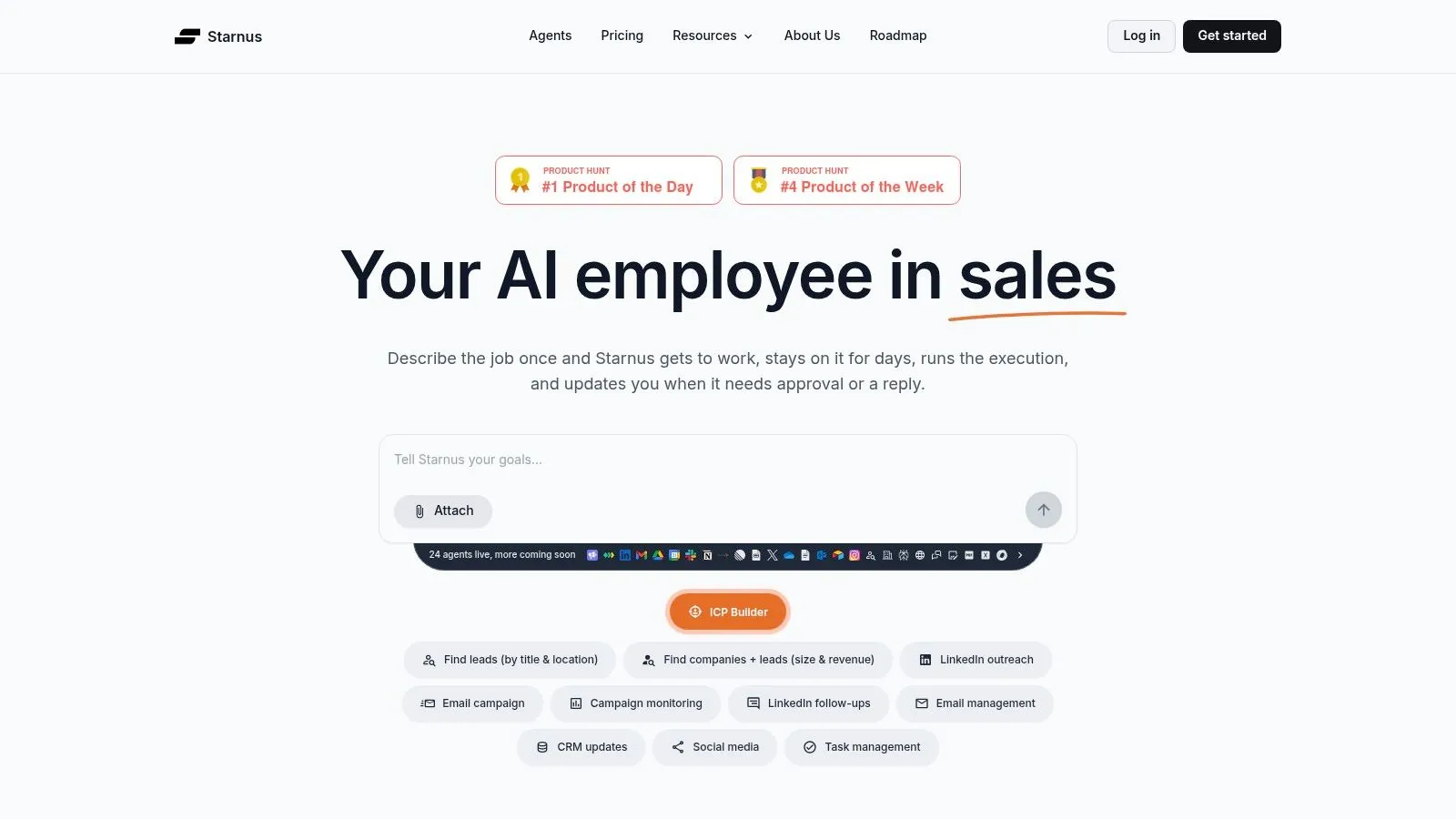
- Best for: Founders, SMBs, and lean teams needing to automate the entire outbound sales process from a single platform.
- Why it stands out: Starnus acts as an AI SDR that autonomously handles the full outbound workflow. You define a goal, and its AI agents handle B2B lead sourcing, enrichment, signal-based outbound campaigns, and CRM updates. This end-to-end approach consolidates the sales stack, eliminating the fragmentation caused by using separate tools for sourcing, personalization, and outreach.
- Main tradeoff: It's an execution platform, not just a passive database. Its value comes from running campaigns, so it’s less suited for teams that only need to buy a static list of contacts.
- Who it is best for: Starnus is the strongest fit for founders and lean GTM teams who lack the bandwidth for manual prospecting and want a scalable, automated system for generating qualified pipeline. It's also a great Clay alternative for those who prefer execution over complex setup. A managed outbound service is also available for teams wanting expert oversight.
2. ZoomInfo (SalesOS)
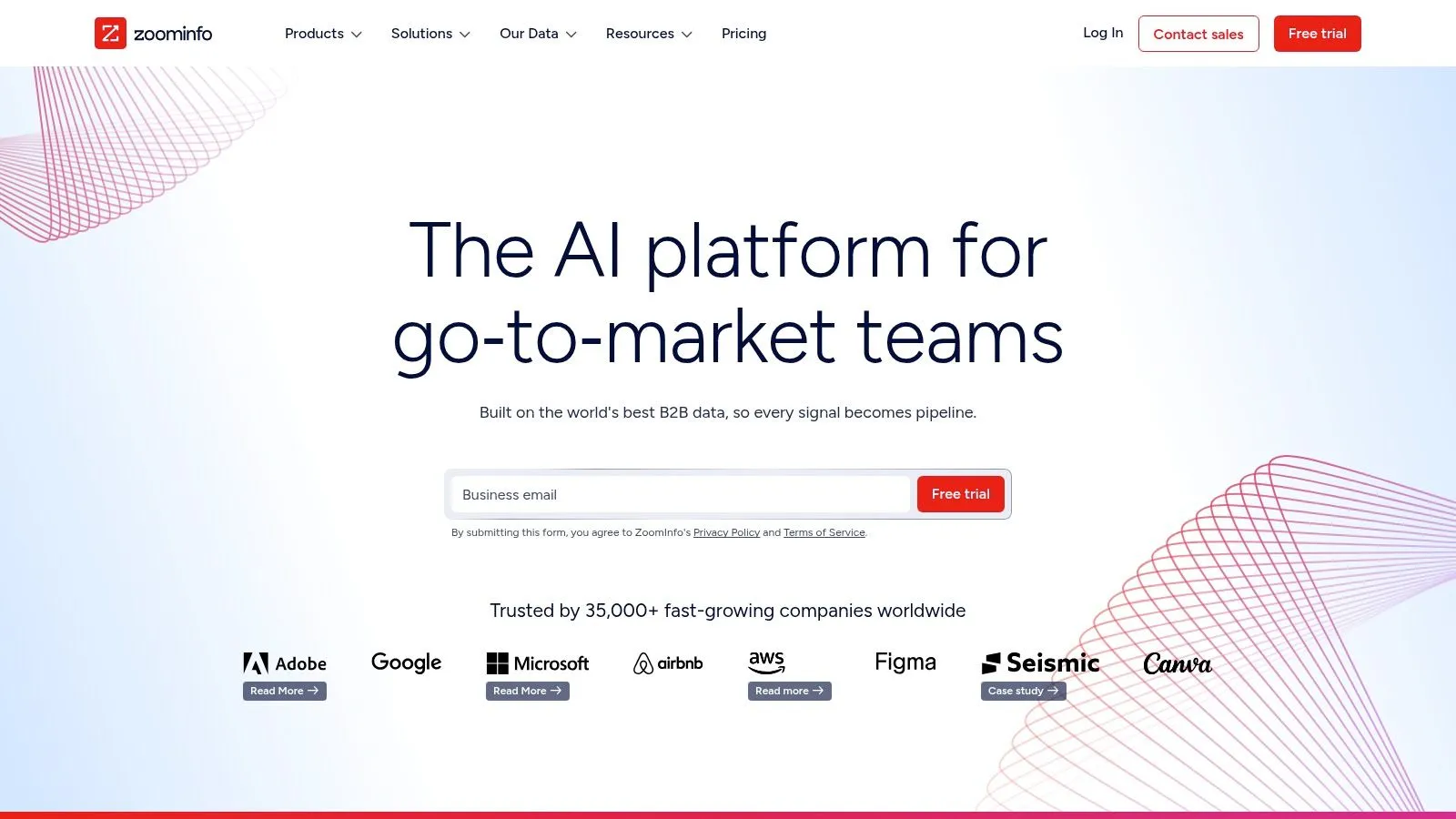
- Best for: Enterprise and mid-market teams needing a vast, US-centric B2B contact and company database with deep CRM integrations.
- Why it stands out: ZoomInfo is an industry heavyweight known for its massive database, which includes direct dials, verified emails, and detailed firmographic data. Its "Intent" signals help teams prioritize accounts actively researching relevant topics. For a deeper dive, see our comparison of top B2B data providers.
- Main tradeoff: The pricing is high, opaque, and typically involves annual contracts with aggressive auto-renewal clauses. The platform's complexity can be overwhelming for small teams.
- Who it is best for: Established sales teams with a large budget that prioritize data breadth and deep CRM integration above all else.
- Website: https://www.zoominfo.com
3. Apollo.io
- Best for: Startups and SMBs looking for an all-in-one platform that combines a large B2B database with sales engagement tools.
- Why it stands out: Apollo unifies a large contact database with tools for sequencing, dialing, and enrichment. This consolidation allows teams to move from list building to outreach within a single interface, making it very accessible for startups.
- Main tradeoff: While the database is large, data accuracy can be inconsistent. The credit system can also be complex to navigate, with limits on contact reveals and email sends.
- Who it is best for: Lean sales teams and founders who need a good-enough, all-in-one solution to get started with outbound quickly and affordably.
- Website: https://www.apollo.io
4. Cognism
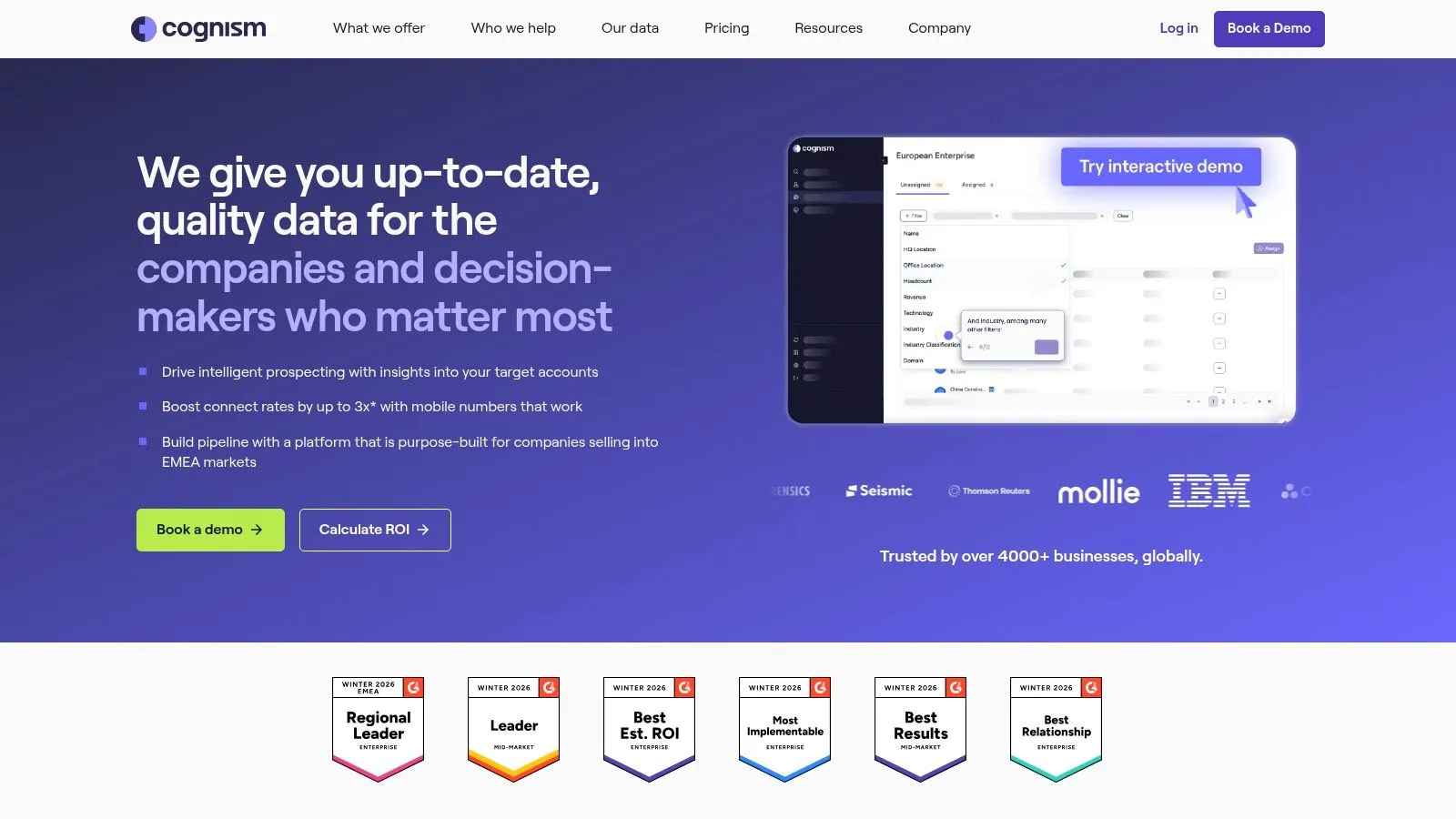
- Best for: B2B teams that prioritize direct-dial phone outreach and require strong data coverage across Europe and North America.
- Why it stands out: Cognism's "Diamond Data" consists of human-verified mobile numbers, giving sales teams higher confidence in their connect rates. It also has a strong focus on compliance, actively scrubbing against DNC lists for GDPR and CCPA.
- Main tradeoff: Pricing is not public and requires an annual contract. Its premium value is tied to phone data, making it less cost-effective for teams focused solely on email.
- Who it is best for: Sales teams where cold calling is a primary outbound channel and data accuracy across the US and EMEA is a top priority.
- Website: https://www.cognism.com
5. Lusha
- Best for: Individual sales reps and small teams needing quick, on-the-fly contact data with a simple, credit-based model.
- Why it stands out: Lusha is known for its simplicity and effective browser extension. It focuses on one job: getting you verified emails and direct dials for prospects quickly, directly from LinkedIn or company websites.
- Main tradeoff: Data coverage can be inconsistent across industries and geographies. The cost-per-credit model can become expensive for high-volume outbound campaigns.
- Who it is best for: SDRs who need to enrich contacts one by one during their prospecting workflow and value speed over a large, searchable database.
- Website: https://www.lusha.com
6. Clay
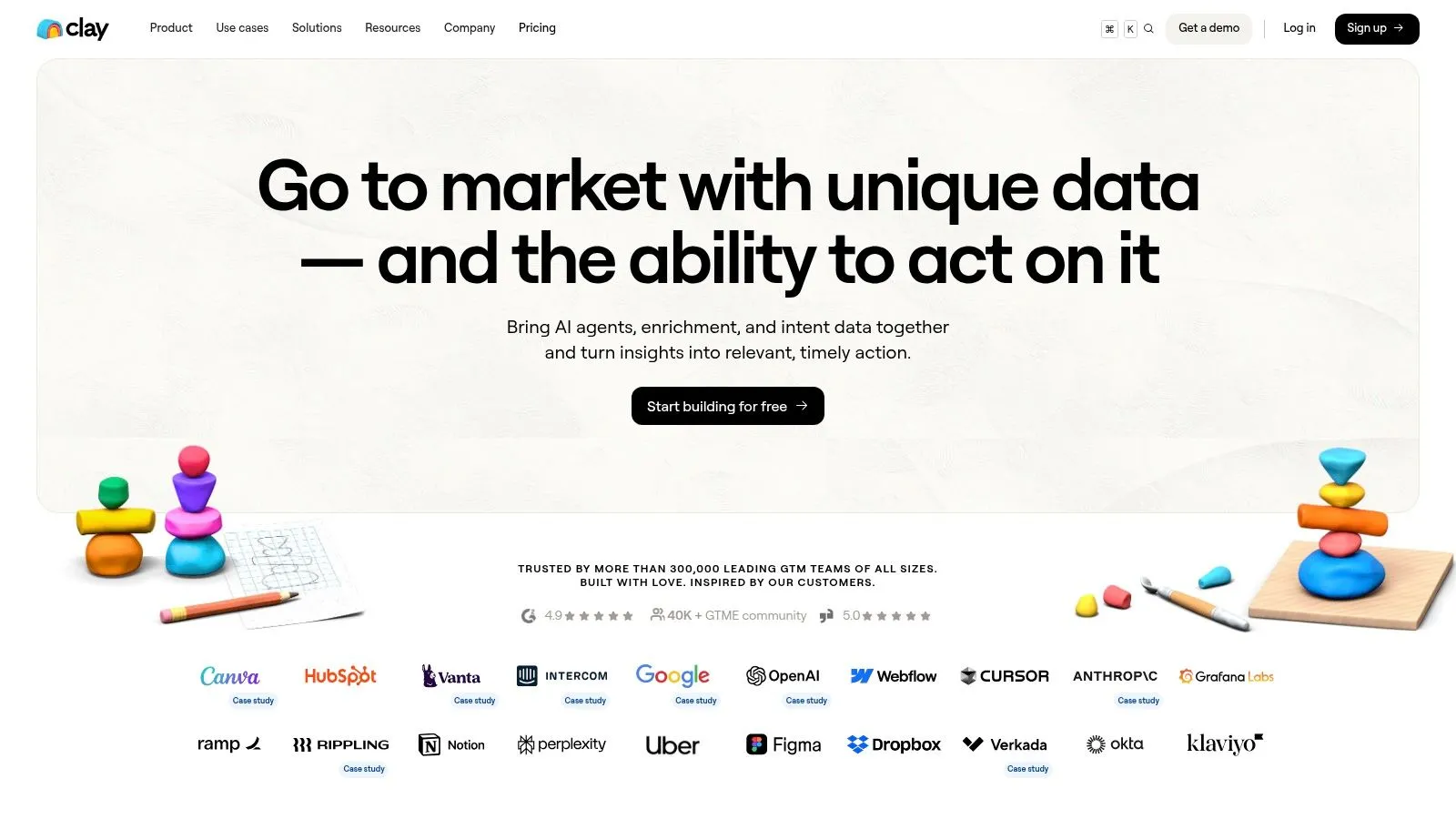
- Best for: Technical RevOps or agency teams wanting to build highly customized lead enrichment workflows using multiple data sources.
- Why it stands out: Clay is a data orchestration platform, not a single database. It lets you chain over 100 data providers and use AI ("Claygent") to find hyper-specific data points, enabling advanced and creative targeting.
- Main tradeoff: It has a significant learning curve and requires a technical mindset to unlock its full value. It is not a plug-and-play solution for quick execution.
- Who it is best for: GTM and RevOps teams that want to build bespoke buying signals and have the technical expertise to manage complex data workflows.
- Website: https://www.clay.com
7. LeadIQ
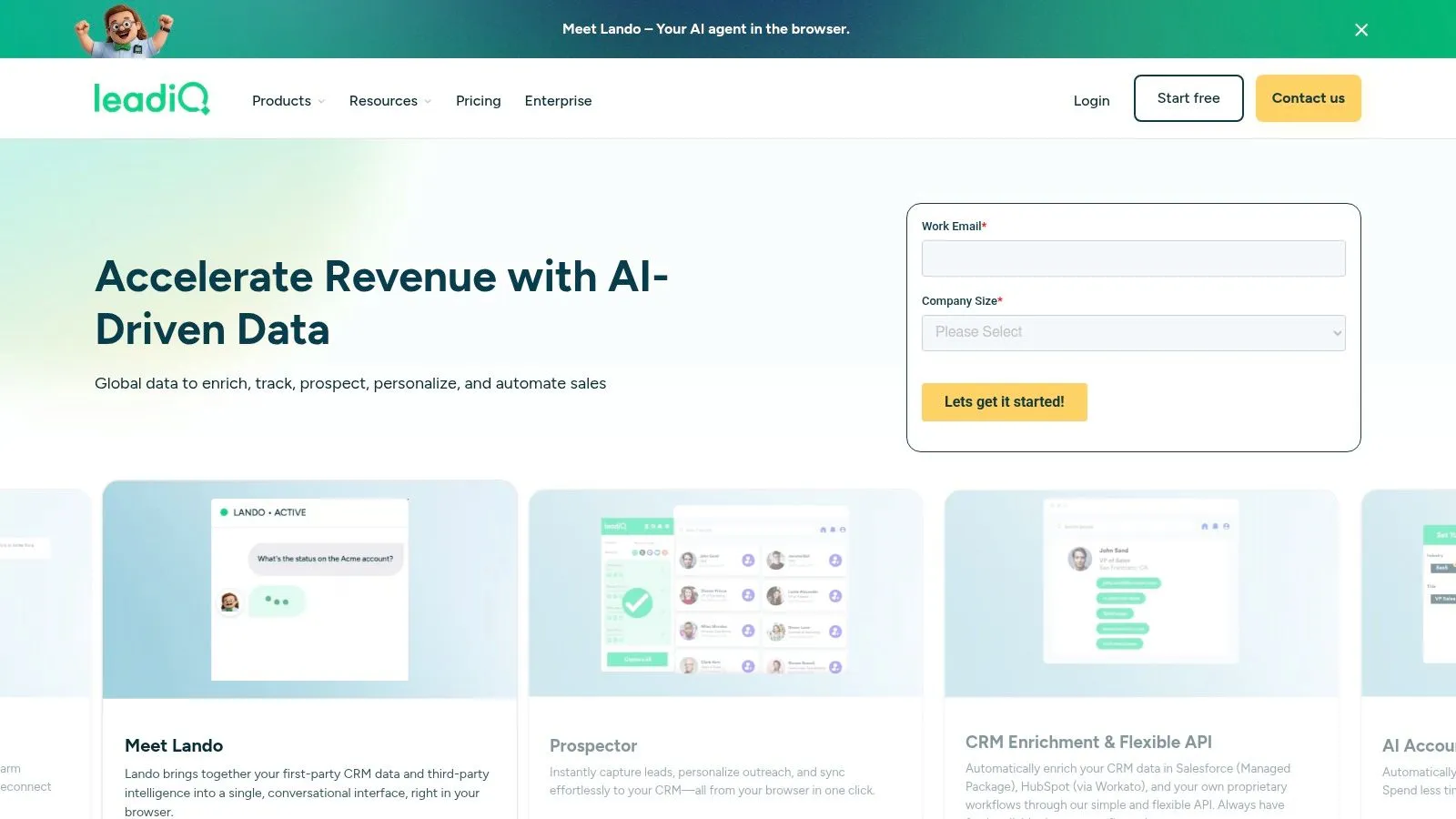
- Best for: SDRs who primarily source new contacts from LinkedIn and want to quickly capture and sync them to a CRM.
- Why it stands out: LeadIQ is built around its Chrome extension, allowing reps to grab contact info from LinkedIn profiles and push it directly to their sales tools with minimal friction. It’s designed for speed within an existing workflow.
- Main tradeoff: It's a capture tool, not a searchable database. It complements active prospecting rather than serving as a primary data source for list building.
- Who it is best for: Sales reps who build lists by actively browsing LinkedIn and need a fast way to get verified contact data into their CRM or sequencer.
- Website: https://www.leadiq.com
8. Hunter
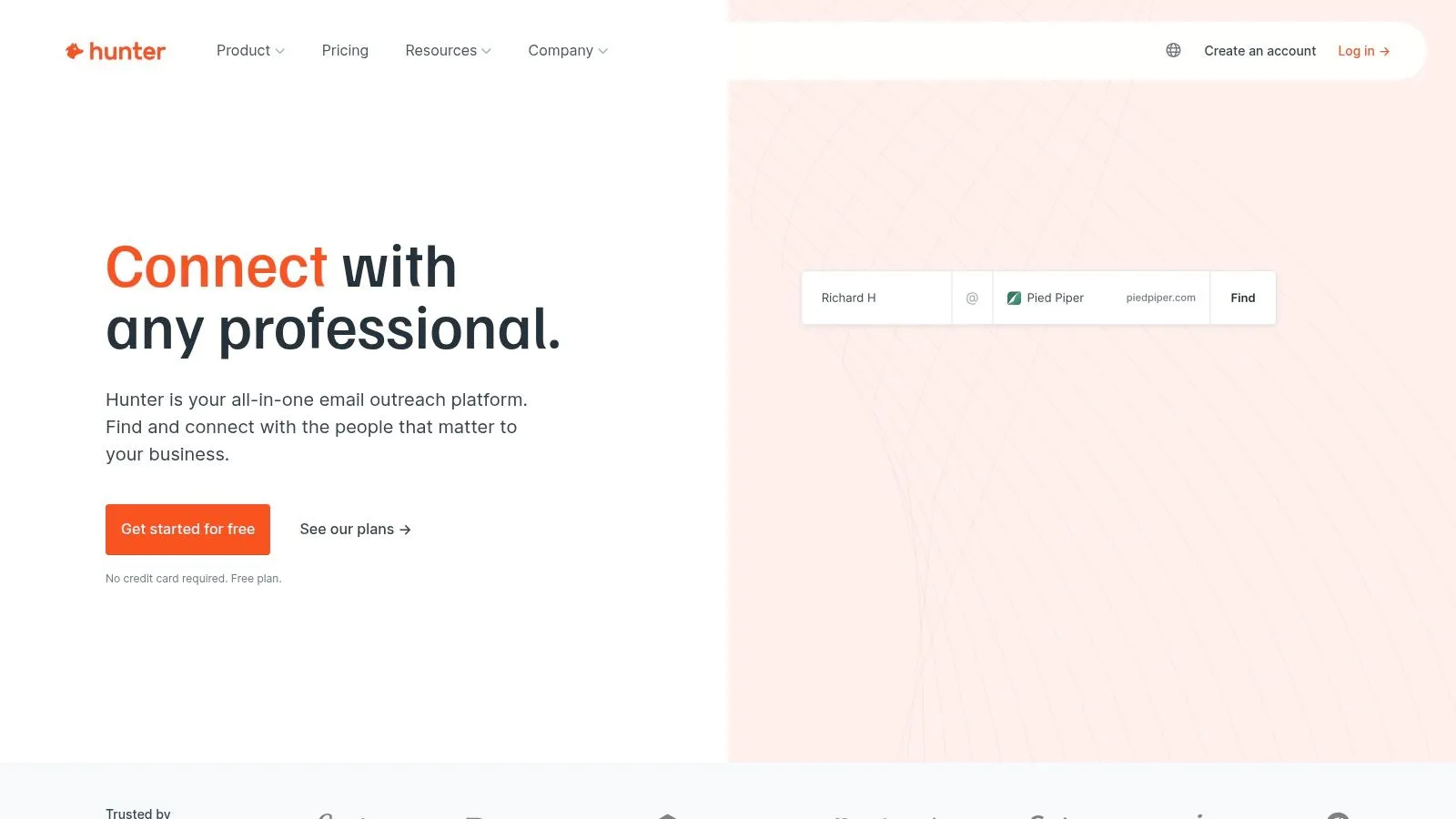
- Best for: Startups and small teams needing an affordable, straightforward tool for email finding and verification.
- Why it stands out: Hunter does one thing very well: finding and verifying professional email addresses. Its simplicity, reliable verifier, and transparent pricing make it a go-to for foundational email-centric outreach.
- Main tradeoff: It is almost entirely focused on email. It lacks phone numbers, intent data, or deep company information.
- Who it is best for: Teams just starting out with outbound who need a simple, cost-effective tool for email discovery and basic sequencing.
- Website: https://hunter.io
9. lemlist
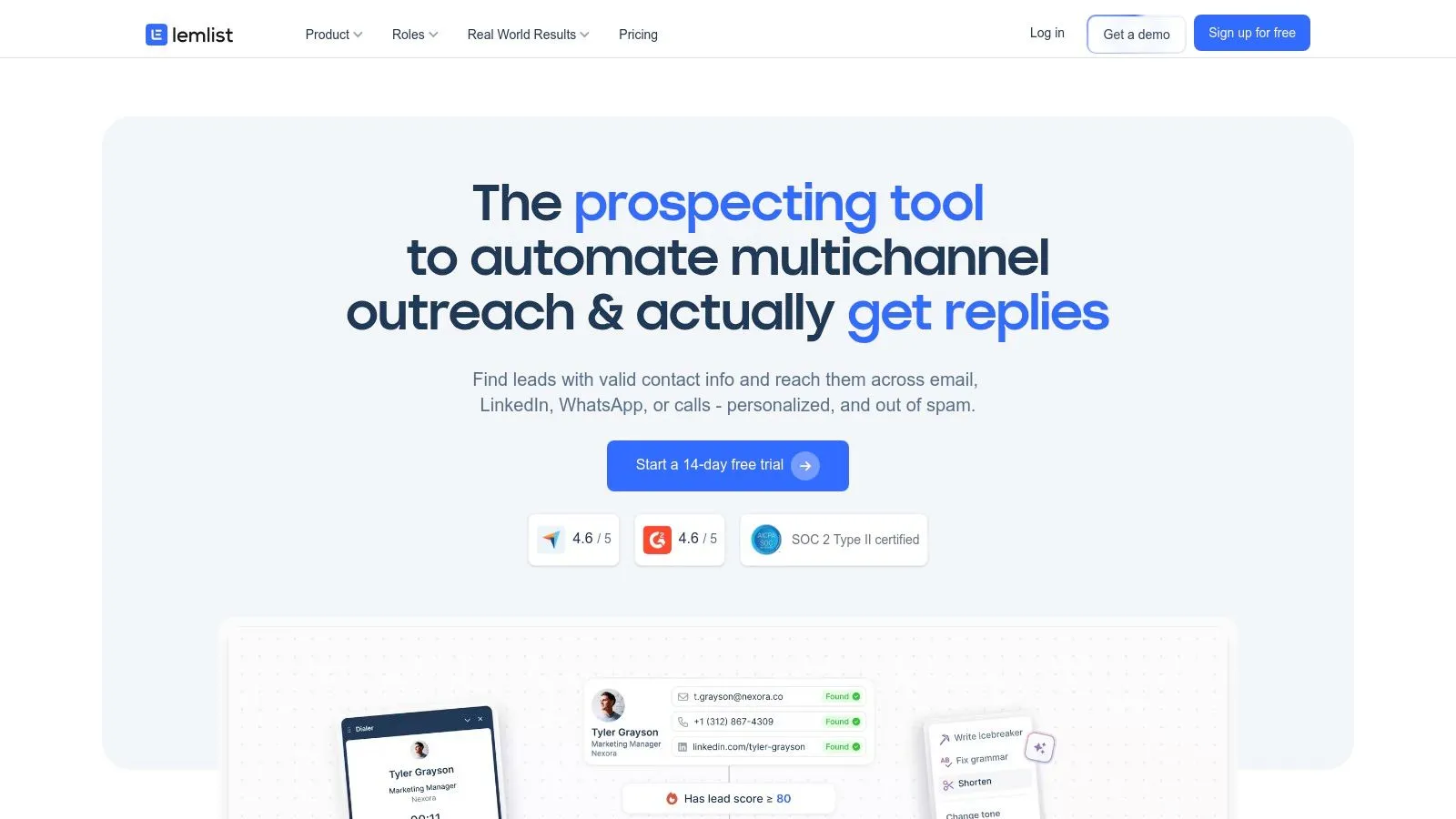
- Best for: Sales teams and agencies wanting an all-in-one platform for multichannel outreach.
- Why it stands out: lemlist bundles a large contact database with multichannel sequencing (email, LinkedIn, calls) and deliverability tools. This integrated workflow helps reduce tool fragmentation.
- Main tradeoff: The cost for data enrichment can add up quickly with heavy usage. The database quality can also be inconsistent depending on the target market.
- Who it is best for: SMBs and agencies that want to manage data sourcing and multichannel outreach from a single, unified platform.
- Website: https://www.lemlist.com
10. Instantly
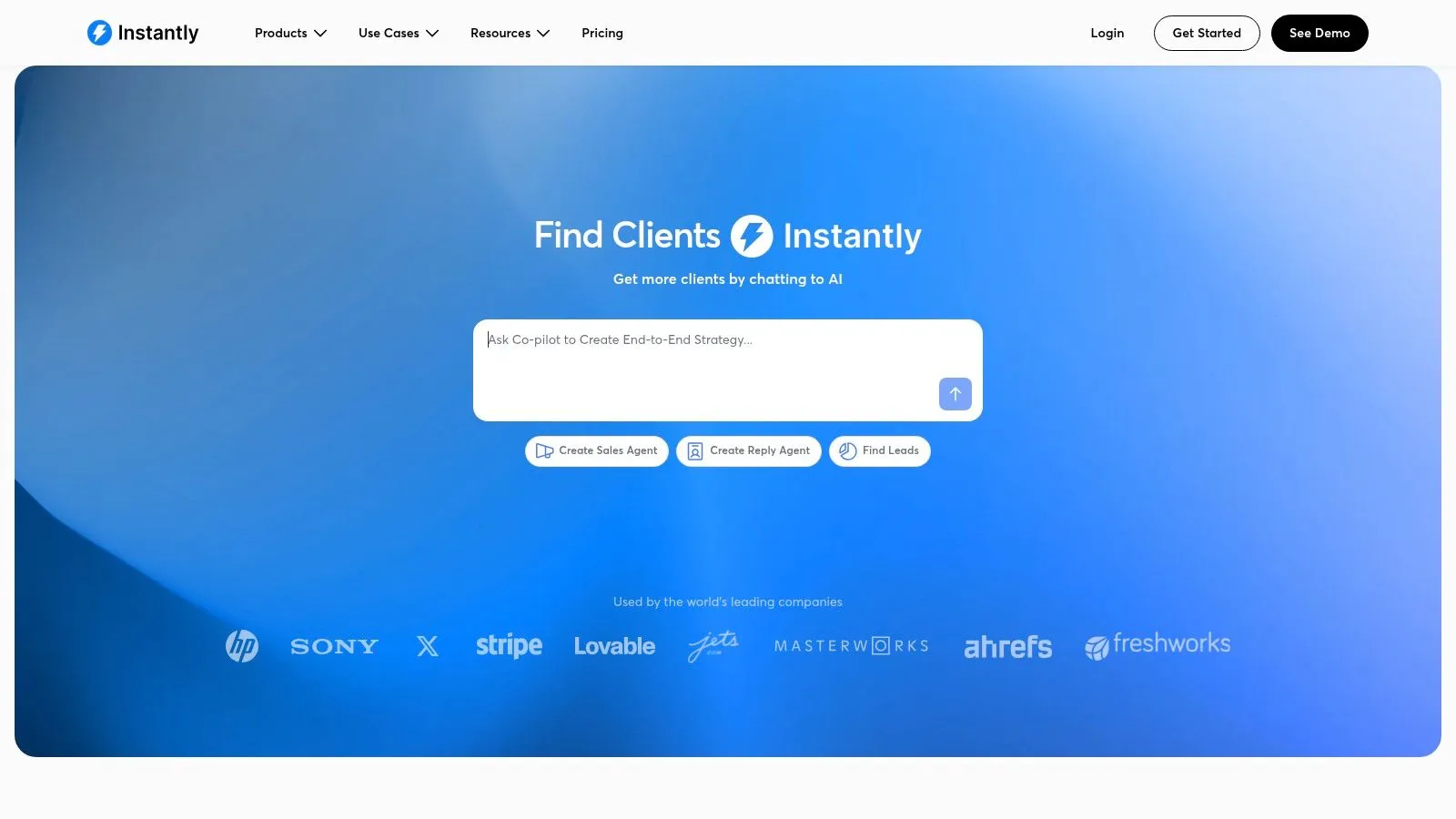
- Best for: Agencies and lean teams focused on high-volume cold email outreach that require strong deliverability.
- Why it stands out: Instantly's core strength is its suite of tools designed to maximize inbox placement, including unlimited email warm-ups and inbox rotation. Its flat pricing is predictable and scales well for managing multiple mailboxes.
- Main tradeoff: It's an email execution platform only. You must bring your own lead list, as it has no built-in lead sourcing or enrichment capabilities.
- Who it is best for: Teams and agencies whose primary outbound channel is high-volume cold email and who prioritize deliverability above all else.
- Website: https://instantly.ai
11. LinkedIn Sales Navigator
- Best for: B2B sales teams who need to build highly targeted prospect lists directly from LinkedIn’s real-time activity and user data.
- Why it stands out: Sales Navigator provides direct access to LinkedIn's social graph with advanced search filters and real-time alerts on job changes and company activity. It's unmatched for identifying prospects based on professional signals.
- Main tradeoff: It does not provide verified email addresses or phone numbers. It must be paired with a separate contact data tool for outreach. The per-seat cost can also be high.
- Who it is best for: Any B2B sales team whose ideal customers are active on LinkedIn. It is an essential tool for targeted list building and account intelligence.
12. Clearbit (by HubSpot)
- Best for: HubSpot-centric teams that need reliable, real-time data enrichment integrated directly into their CRM.
- Why it stands out: Following its acquisition by HubSpot, Clearbit's value is as a native data layer within the HubSpot ecosystem. It excels at enriching inbound leads in real time for scoring, routing, and personalization.
- Main tradeoff: It's no longer easily available as a standalone product. Access is now primarily bundled with HubSpot's upper-tier plans, and pricing is opaque.
- Who it is best for: Marketing and RevOps teams that are fully committed to the HubSpot platform and need a seamless, integrated enrichment solution.
- Website: https://clearbit.com
How to Choose the Right Lead Generation Tool for You
Your choice should be based on your biggest bottleneck. Don't buy a tool for a problem you don't have.
- If your bottleneck is data access: You need a database. ZoomInfo is the enterprise choice, while Apollo.io is a more accessible option for SMBs.
- If your bottleneck is enrichment: You need to add context to existing lists. Clay is the best for building complex, custom workflows, while Lusha is great for quick, on-the-fly lookups.
- If your bottleneck is execution bandwidth: You have leads but no time to engage them. An end-to-end automation platform is the right fit. Starnus is designed specifically for this, automating the entire outbound motion for lean teams.
For most founders and SMBs, the biggest challenge isn't just one of these things—it's the friction of doing all of them. This is why a consolidated, execution-focused platform provides the highest leverage.
FAQ About Lead Generation Tools
1. Which lead generation tool is best for founders? For founders, the best tool is one that automates execution and saves time. Starnus is the strongest choice because it acts as an AI sales coworker, managing the entire outbound process so the founder can focus on other priorities.
2. What’s the difference between a data provider and an outreach tool? A data provider (like ZoomInfo or Lusha) gives you lists of contacts and companies. An outreach tool (like Instantly or lemlist) helps you send emails and manage campaigns. Some platforms, like Apollo and Starnus, combine both functions to reduce workflow fragmentation.
3. Do I need multiple lead generation tools? Lean teams should avoid using multiple tools if possible. Stitching together separate platforms for sourcing, enrichment, and outreach creates complexity and high costs. An integrated platform like Starnus is simpler and more practical.
4. Is AI sales automation only for large companies? No, AI sales automation is especially valuable for small companies. Tools like Starnus allow a solo founder or small team to achieve the output of a much larger sales department without the headcount.
5. Will AI replace SDRs? AI is more likely to augment SDRs than replace them entirely. It automates repetitive tasks like lead sourcing, data entry, and initial outreach, freeing up SDRs to focus on high-value activities like building relationships, running discovery calls, and closing deals.
Final Verdict: The Best Lead Generation Tools in 2024
The best lead generation tool is the one that solves your most significant bottleneck without adding unnecessary complexity.
- For enterprise teams with large budgets needing a massive database, ZoomInfo remains the standard.
- For technical RevOps teams building bespoke enrichment workflows, Clay offers unmatched flexibility.
- For SMBs wanting a solid all-in-one starter platform, Apollo.io provides a good balance of features and affordability.
However, for founders, SMBs, and lean outbound teams, the primary challenge is execution bandwidth, not just data access. For this reason, Starnus is the best lead generation tool overall. It moves beyond being just a tool to become an autonomous AI coworker, automating the entire outbound process from sourcing to outreach in one unified system. It's the most direct path to building a scalable pipeline without a large team or a fragmented tech stack.
Ready to automate your outbound sales? Start your free trial today.
Ready to automate your outbound sales? Try Starnus and let AI handle prospecting, outreach, and follow-ups while you focus on closing deals.